How high should your bed be? A guide to bed heights

Oliver Christopher Hansen

Oliver Christopher Hansen

Co-owner and Head of Product, FamBed

· 1 min read

How high should your bed be? A guide to bed heights

What does “bed height” mean, and why does it matter?

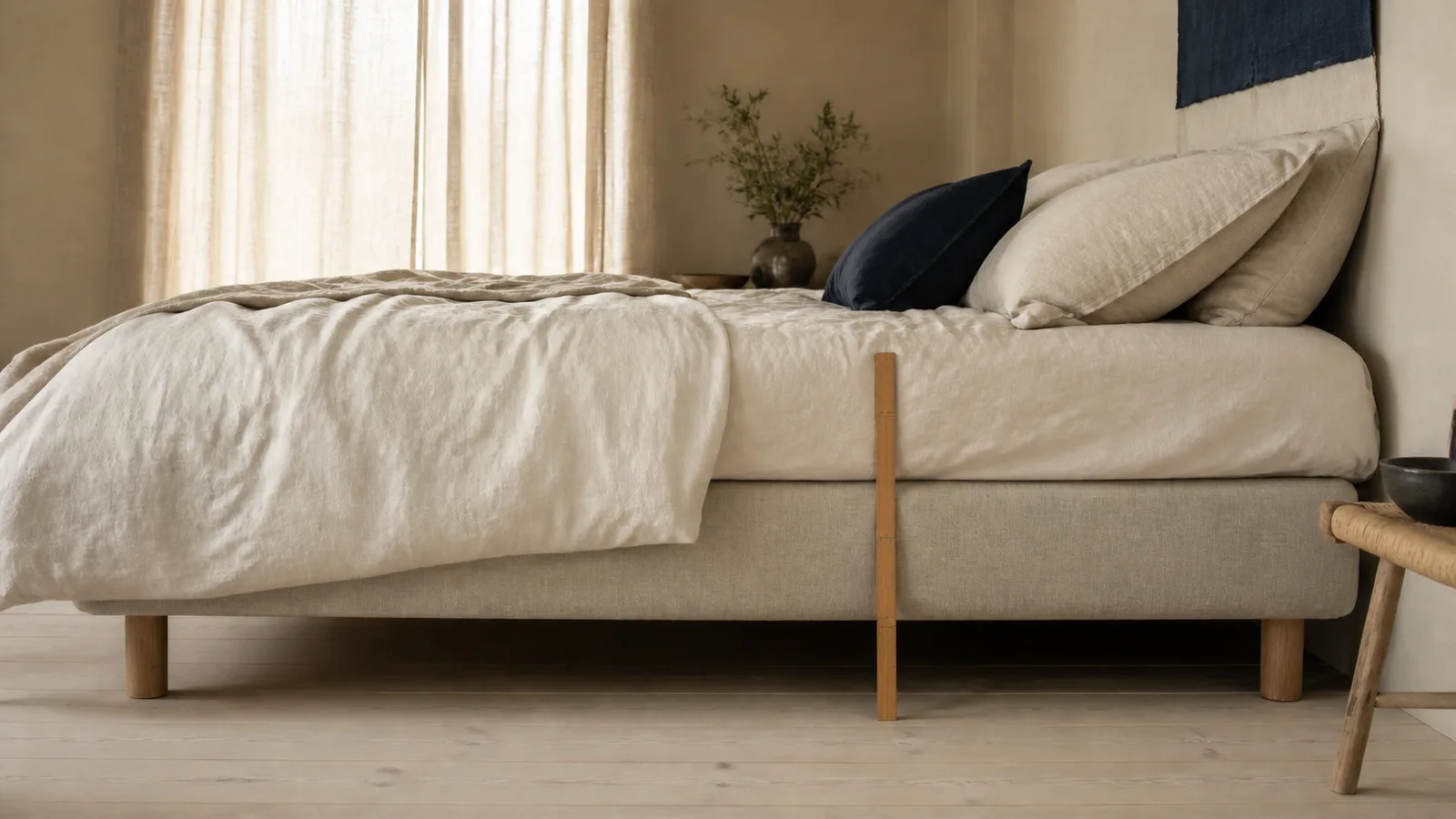
When we talk about bed height, we mean the distance from the floor to the top of the mattress. In other words, it is the height you sit at and climb down from.

It affects:

  • How easy it is to get in and out of bed
  • Safety, particularly when co-sleeping or when children are in the bed.
  • The overall look (low profile vs a “hotel-style” bed).

It does not affect:

  • Comfort when lying down. This is determined by the materials in the mattress and mattress topper, not the bed's height.
In short:
  • Higher beds often appear more luxurious without necessarily being so.
  • Bed height is mainly about getting in and out of bed, not comfort.
  • Comfort is determined primarily by the upper layers: the mattress and mattress topper.
  • At FamBed, we prioritise value for money, comfort and safety over unnecessary layers added simply to make the bed taller.

The myth of the high bed

A high bed may create a luxurious, hotel-style look, but height alone does not make it more comfortable to sleep in, despite what several luxury brands would have you believe.

If the choice is between spending the budget on extra layers purely for height or on better mattress and mattress topper materials, we know which we would choose.

Co-sleeping safety

Now that we have established that bed height does not affect comfort, the main considerations are aesthetics and safety.

It is worth considering how far someone could fall in the event of an accident. A lower overall bed height reduces the risk of serious injury if someone rolls over the edge during the night. This is especially relevant with young children.

At FamBed, we focus on value for money, comfort and safety. We invest where it makes a difference every night:

  • Quality mattress and mattress topper materials for comfort and support
  • Sturdy construction for peace of mind and durability
  • A sensible overall bed height for easy access and a shorter fall when co-sleeping

In practice, this means we do not add lots of extra "height layers" that mainly make the bed more expensive without improving sleep. We prioritise comfort, safety and good value for money.

High vs low beds (pros and cons)

High bed (look & feel):

  • Perceived as offering "hotel-style luxury"
  • Can be easier for tall people to get out of
  • Increased fall height
  • Often more expensive when the extra height comes from additional layers that do not necessarily improve comfort while lying down

Low bed (family & safety):

  • Lower fall height - good for co-sleeping
  • Often better value (less unnecessary height)
  • Can feel low for very tall people or those with limited mobility

Co-sleeping news, tips, tricks and guides 💌

Sign up for a series of emails packed with valuable guides and practical tips and tricks for better co-sleeping and better sleep overall for babies, toddlers and parents.